014560964 gbscidpfoundationnepal@gmail.com
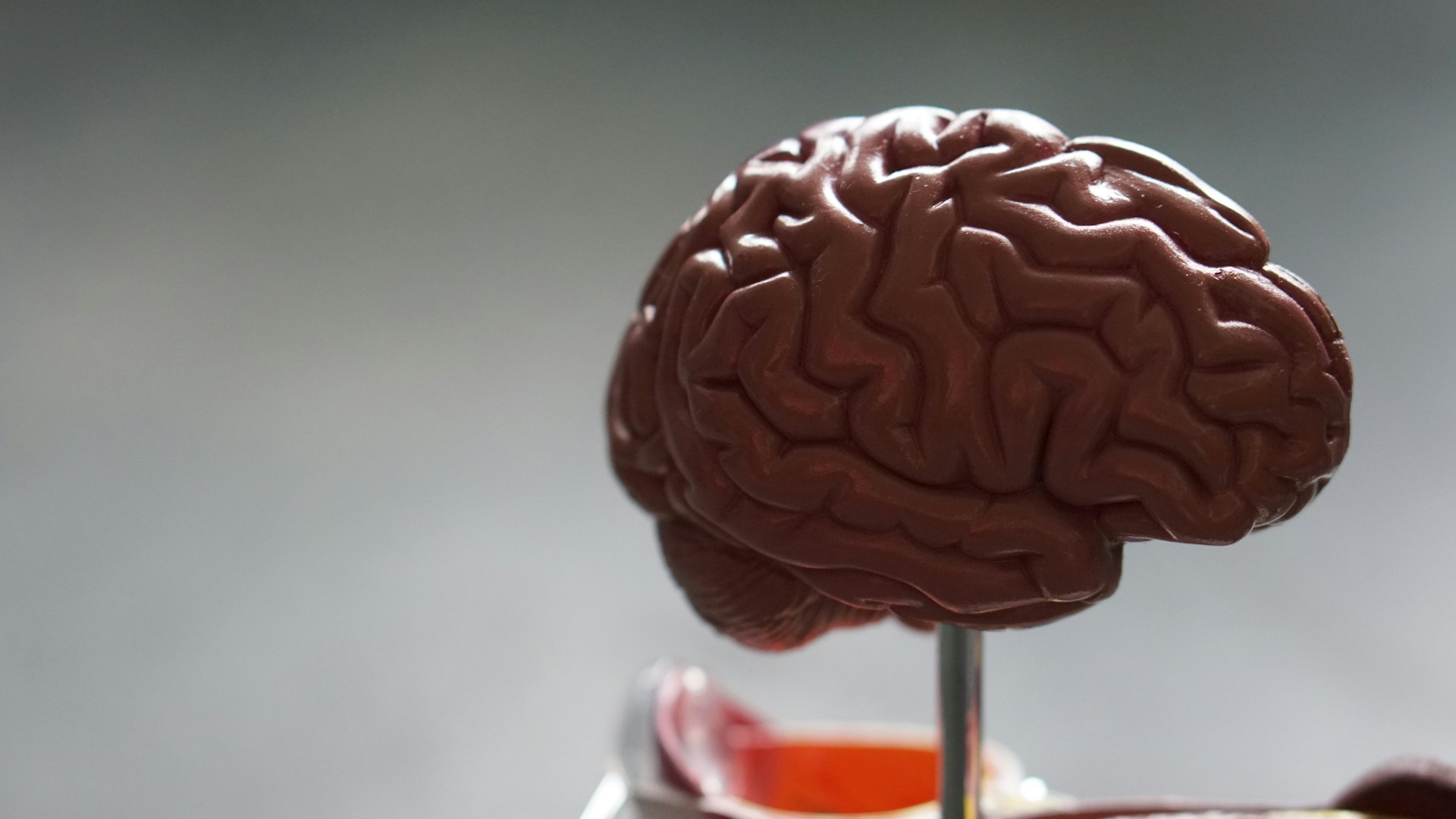
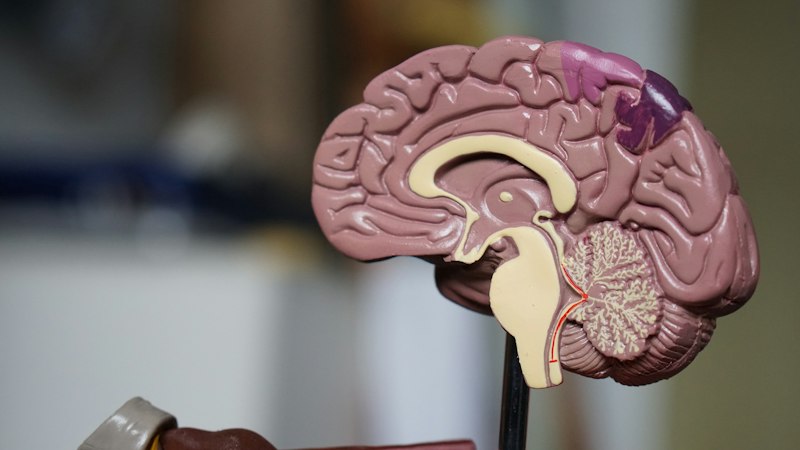
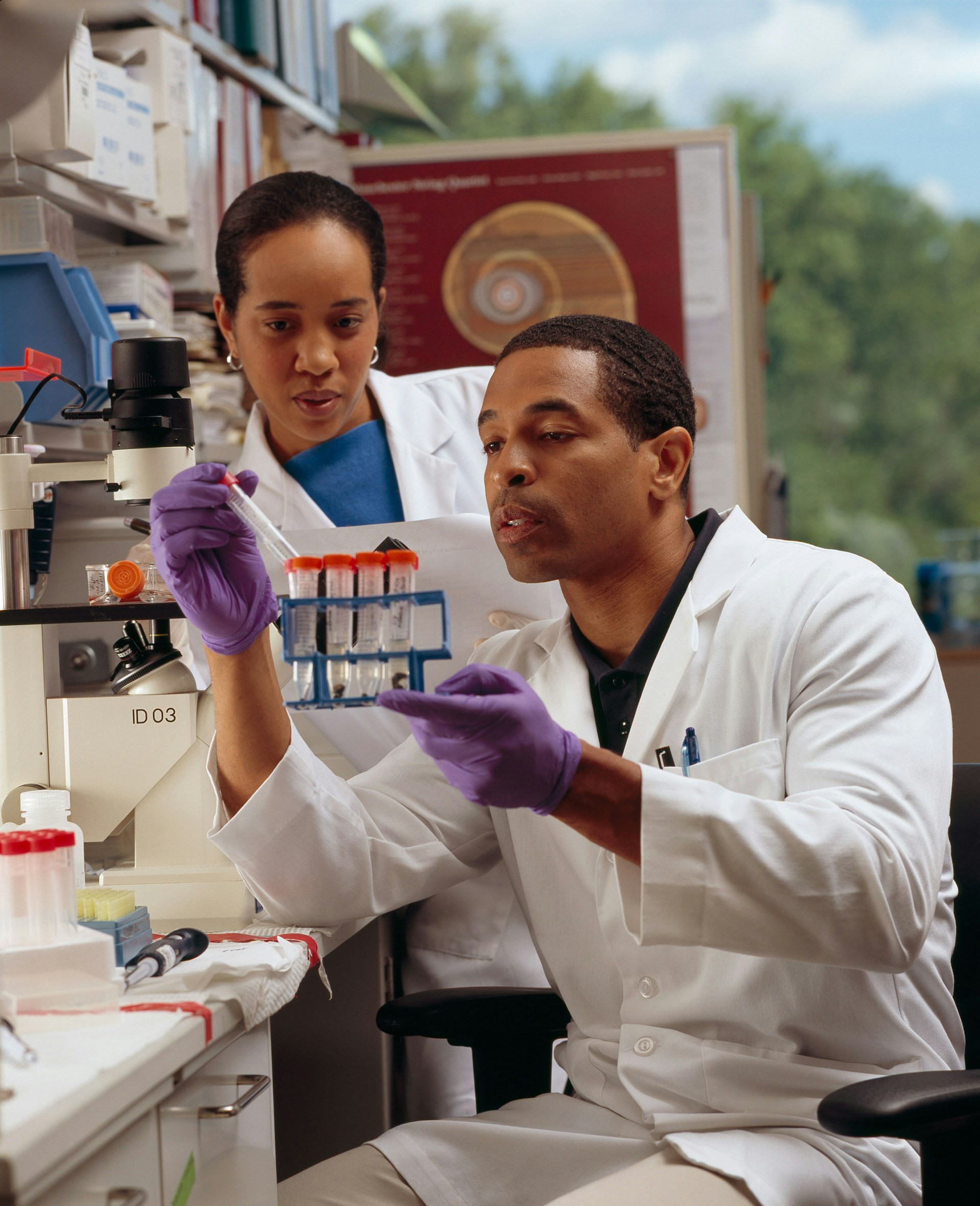
Neurology research laboratory
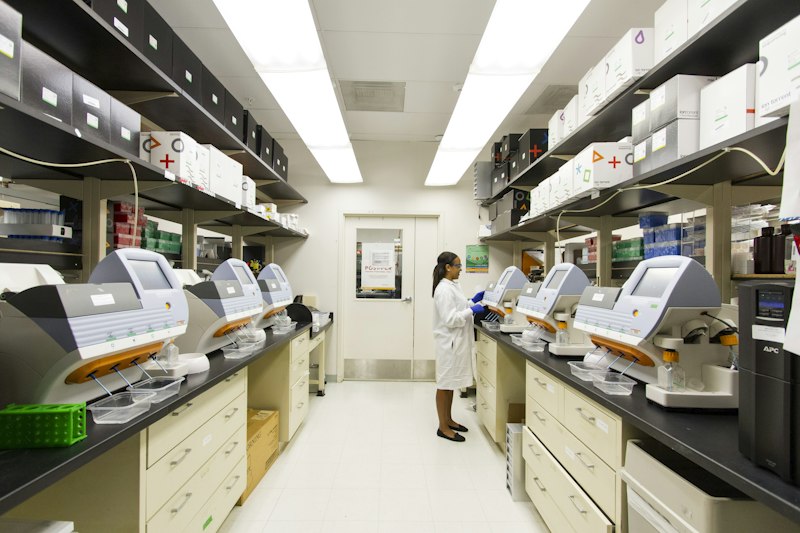
Clinical care
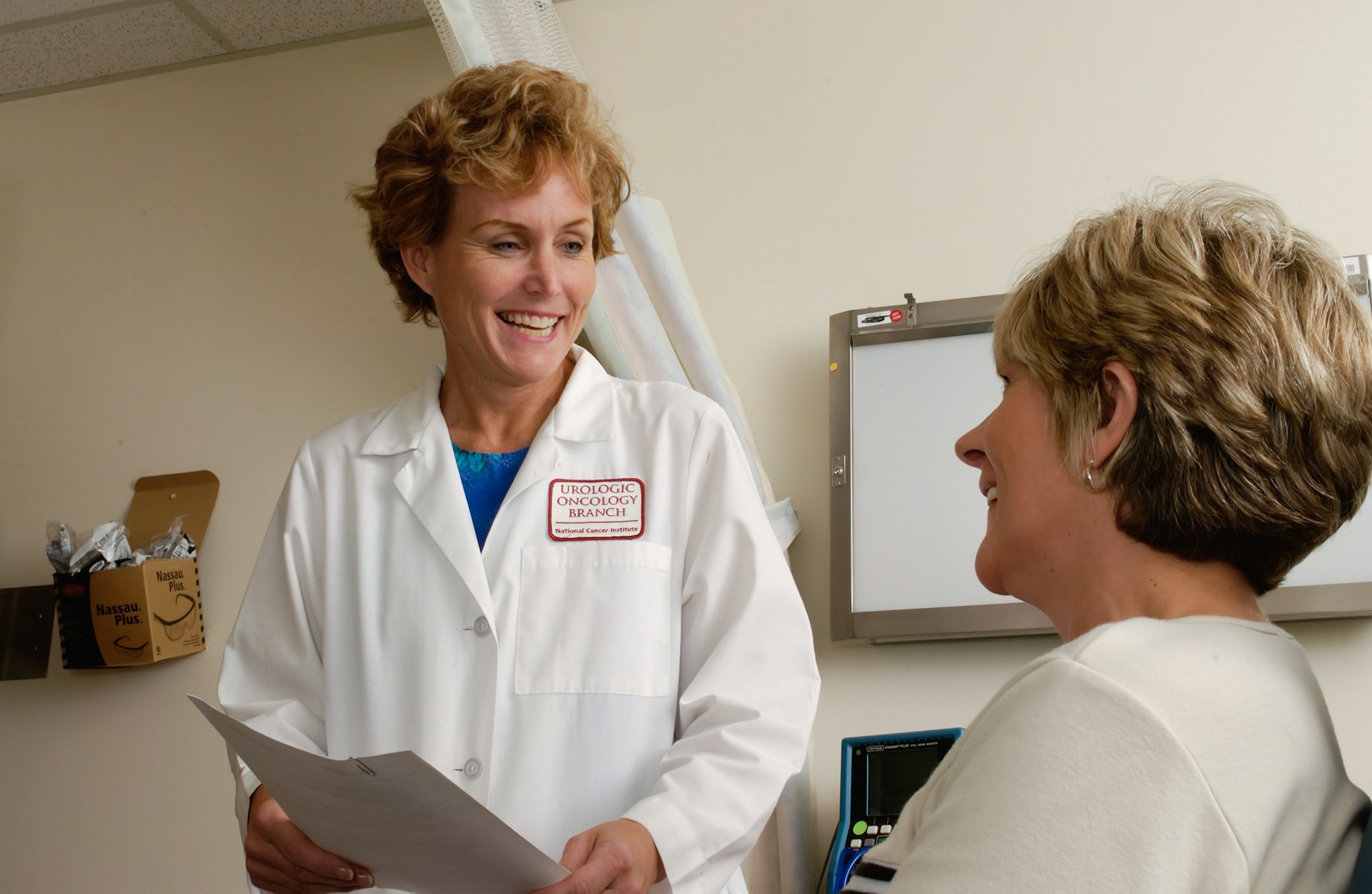
Medical professional with patient
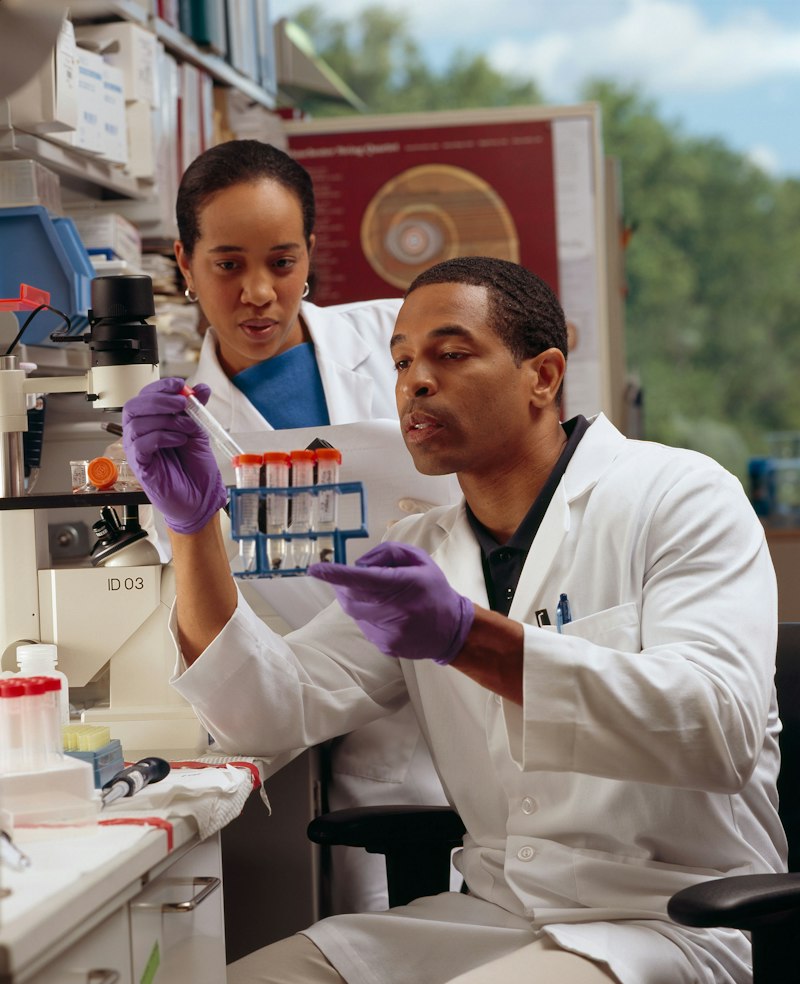
Neurological imaging

GBS-CIDP & NeuroAI Research Foundation Nepal — Est. 2025

A Foundation for
Hope & Healing

Pioneering research and advocacy for GBS, CIDP, and variant neurological conditions — powered by compassion and AI-driven health solutions.

0
Foundation Year
0
Core Missions
AI+
Powered Research
0
% Patient-Focused

A Foundation with a Clear Mission

We are a newly established charitable foundation with a bold vision: to transform the landscape of care for patients with Guillain-Barré Syndrome (GBS), Chronic Inflammatory Demyelinating Polyneuropathy (CIDP), and related neurological conditions.

Founded on the principles of compassion, innovation, and patient-centered care, we're building partnerships with medical professionals, researchers, and patient advocates to create lasting change across Nepal and beyond.

Patient-Centered

Every decision we make prioritizes patient needs and lived experiences

Evidence-Based

Grounded in rigorous research and clinical expertise

Innovation-Driven

Leveraging AI and emerging technology to improve outcomes

Our Four Core Missions

  • 01
    Advocacy

    Fighting for patient rights and equitable treatment access

  • 02
    Awareness

    Educating communities and healthcare professionals nationwide

  • 03
    Research

    Advancing clinical research and treatment protocols

  • 04
    Education & AI in NeuroScience and Medicine

    Building AI-driven diagnostic , Research and treatment tools

Understanding GBS, CIDP & Variants

Learn about the neurological conditions at the heart of our mission

Guillain-Barré Syndrome (GBS)

Guillain-Barré Syndrome is a rare inflammatory disorder of the peripheral nerves characterized by rapid onset of weakness and, often, paralysis of the legs, arms, breathing muscles, and face.

GBS can affect anyone at any age, but it is more common in adults and males. It often follows a respiratory or gastrointestinal infection — and in Nepal, contaminated water sources are a significant trigger through waterborne pathogens such as Campylobacter jejuni.

Common Symptoms

  • Weakness or tingling sensations beginning in the legs
  • Weakness spreading progressively to the upper body and arms
  • Difficulty walking or climbing stairs
  • Difficulty with facial movements, including speaking and swallowing
  • Severe lower back pain
  • Difficulty breathing — may require ventilatory support
Medical Emergency GBS is a medical emergency. If you or someone you know experiences rapid-onset weakness, seek immediate medical attention without delay.
Neurological clinical research
Early diagnosis and prompt treatment significantly improve outcomes for patients with GBS. The condition is treatable, and most patients recover with appropriate medical intervention.

Chronic Inflammatory Demyelinating Polyneuropathy (CIDP)

CIDP is a rare neurological disorder characterized by gradually increasing sensory loss and weakness associated with loss of reflexes. Unlike GBS, CIDP develops over months rather than days or weeks.

Key Characteristics

  • Progressive weakness developing over at least 8 weeks
  • Numbness and tingling in hands and feet
  • Loss of deep tendon reflexes
  • Fatigue and balance impairment
  • Difficulty with fine motor tasks

Treatment Options

CIDP is treatable, and many patients respond well to established therapies:

  • IVIG (Intravenous Immunoglobulin) — First-line treatment
  • Corticosteroids — Anti-inflammatory medication
  • Plasma Exchange — Removes harmful antibodies from circulation
CIDP clinical care
With proper treatment protocols, many CIDP patients can maintain good quality of life and functional independence over the long term.

Multifocal Motor Neuropathy (MMN)

MMN is a rare immune-mediated neuropathy characterized by slowly progressive, asymmetric limb weakness without sensory loss. It primarily affects motor nerves and is distinct from other neuropathies.

Distinguishing Features

  • Weakness typically begins in the hands or feet
  • Asymmetric pattern — one side more affected than the other
  • No sensory symptoms (numbness or tingling)
  • Muscle cramps and fasciculations (twitching)
  • Foot drop or progressive hand weakness
Treatment Responsive MMN typically responds very well to IVIG treatment. Most patients maintain good functional ability with consistent, ongoing therapy and specialist monitoring.
MMN neurology research
February is MMN Awareness Month — helping spread understanding of this rare but treatable condition in medical communities.

Tools to Help You Navigate Your Journey

Comprehensive resources for patients, families, and healthcare professionals

Educational Materials

Access brochures, guides, and clinical articles about GBS, CIDP, and treatment options in accessible language.

View Publications →

Educational Videos

Watch presentations from medical experts, patient testimonials, and recorded seminars on neurological conditions.

Watch Videos →

Find a Specialist

Locate neuromuscular specialists and neurologists experienced in treating GBS, CIDP, and related conditions.

Find Doctors →

ICU Toolkit

Essential clinical and practical information for patients and families navigating intensive care settings.

Access Toolkit →

Benefits & Services

Government benefits, disability support programs, and community resources available in Nepal.

Explore Options →

For Healthcare Professionals

Clinical resources, diagnostic frameworks, and evidence-based treatment guidelines for practitioners.

HCP Resources →

Building the future of neurological care and AI in Medicine

We are establishing partnerships with leading institutions to advance understanding and treatment — integrating AI-driven health tools with clinical expertise and environmental research.

Building our research program

Partnership development30%
Research framework45%
AI in health platform20%
Water quality research15%

We are in the foundation-building phase — establishing the infrastructure for neurological , AI in Medicine and environmental health research across Nepal.

Collaborate with us

We welcome partnerships with researchers, clinicians, public health experts, and institutions committed to advancing neurological and environmental health in Nepal and beyond.

Get in touch →

Support our research

Your donation directly funds clinical trials, AI health tools, and water safety programs — helping prevent GBS and improve care across Nepal.

Make a donation →

Ongoing Projects

Active · 2026–2027

Early Sepsis Prediction and Detection

2026–2027

Developing an AI-powered early warning system for sepsis detection in critical care settings, enabling faster clinical intervention and improved patient survival outcomes across Nepali hospitals.

AI / ML Critical Care
In collaboration with Nepal Intensive Care Research Foundation (NICRF)

AI Fellowship for Medical Professionals

2026–2027

A structured fellowship program equipping doctors, nurses, and allied health professionals in Nepal with practical AI literacy and clinical AI tool skills — bridging the gap between medical expertise and emerging technology.

Education AI Capacity Building
In collaboration with UNESCO(Paris)

AI-Powered Water Quality Prediction & Aquifer Intelligence System for Nepal

2026–2027

Building a national-scale AI platform to predict water contamination events, map aquifer health, and identify Campylobacter risk zones — directly targeting a key environmental trigger of GBS in Nepal.

Environmental Health Predictive AI

Hybrid ResNet-UNet & YOLOv8 Framework for Breast Cancer Segmentation and Classification

2026–2027

Developing a dual-architecture deep learning framework combining ResNet-UNet for semantic segmentation and YOLOv8 for real-time detection — advancing computer-aided diagnosis of breast cancer from medical imaging data.

Deep Learning Medical Imaging

Cognitive Resilience in the Age of AI: A Neuroscience-Based Educational Intervention in Nepal

2025–2026

MeroSoch is a cognitive neuroscience and AI education project investigating how reflective AI-assisted creative writing enhances critical thinking, creativity, and cognitive development among rural Nepali students through a human-first learning framework.

Cognitive Neuroscience AI in Education

Completed Research

Published · 2025
Published — December 2025
Intelligent Diet Recommendation Engine using Unsupervised Machine Learning
December 2025 IEEE ICISCT 2025 Machine Learning · Nutrition & Health AI

This study presents an intelligent recommendation system leveraging unsupervised machine learning techniques — including clustering and dimensionality reduction — to deliver personalised dietary guidance based on individual health profiles and nutritional patterns, with applications for chronic disease management and preventive health in resource-limited settings.

DOI: 10.1109/ICISCT68600.2025.11441582

Patient Stories

Real experiences from individuals and families affected by GBS, CIDP, and variants

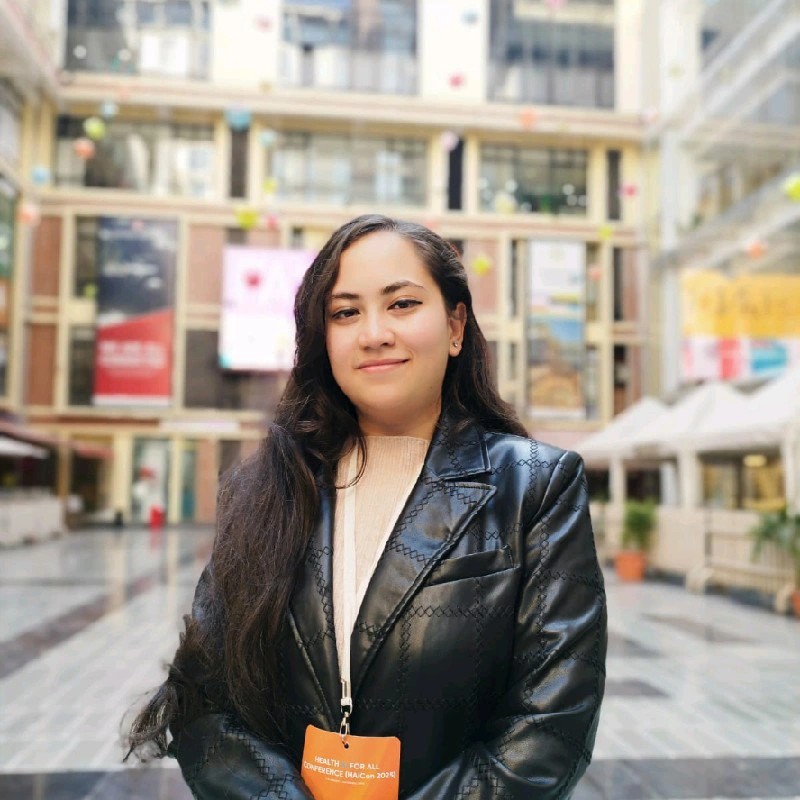
saishna
GBS Survivor
"

At the age of 6, I was diagnosed with Guillain-Barré Syndrome (GBS), a rare neurological disorder that attacks the nerves. After recovering from my first episode, I faced a severe relapse at 16. Within hours, I became fully paralyzed and was placed on a ventilator for two months while receiving treatment in the ICU. My journey was painful and challenging. I had to relearn how to breathe, walk, eat, and live independently again. I also missed an academic year just before my SEE Board exams. But with determination, faith, physiotherapy, and support from my family and doctors, I slowly recovered. Today, I am an AI Engineer and Software Engineer, turning my struggle into purpose. My experience inspired me to found the GBS/CIDP and NeuroAI Research Foundation Nepal, where I work on awareness, advocacy, research, and the use of AI in healthcare My story is a reminder to never give up, no matter how difficult life becomes. With hope, patience, and belief in yourself, recovery and new beginnings are always possible.
Saishna Budhathoki
Founding President & Executive Director  ·  Motivation Behind Foundation
Saishna
GBS Survivor
"

We encourage every patient to share their story to help raise awareness and support others facing similar challenges.

“Will power and strong determination in our mind and heart can achieve every success that seems impossible” – Saishna Budhathoki

  
1 / 4

Have you or a family member experienced GBS, CIDP, or a related condition? Share your journey with us.

Share Your Story More Patient Stories

Join Us in Making a Difference

Whether through volunteering, donations, or spreading awareness — every contribution helps build a stronger foundation for patients and families across Nepal.